July 2026
No Room for Disruption

This month, we’re taking a closer look at the hospitality industry — one of the most demanding environments for disaster recovery. Hotels and resorts must restore damage while protecting guest experiences, preserving their reputation, and minimizing downtime during peak travel season. Every decision impacts occupancy, revenue, and customer satisfaction.
While hospitality’s operating environment is unique, the recovery principles are universal. Whether you manage a hotel, healthcare facility, office building, manufacturing plant, multifamily community, or retail property, every hour of disruption can affect operations, revenue, occupants, and customer confidence. The good news is that many of those impacts can be minimized with the right preparedness plan and restoration partner in place before disaster strikes.
What to Do When Property Damage Checks In
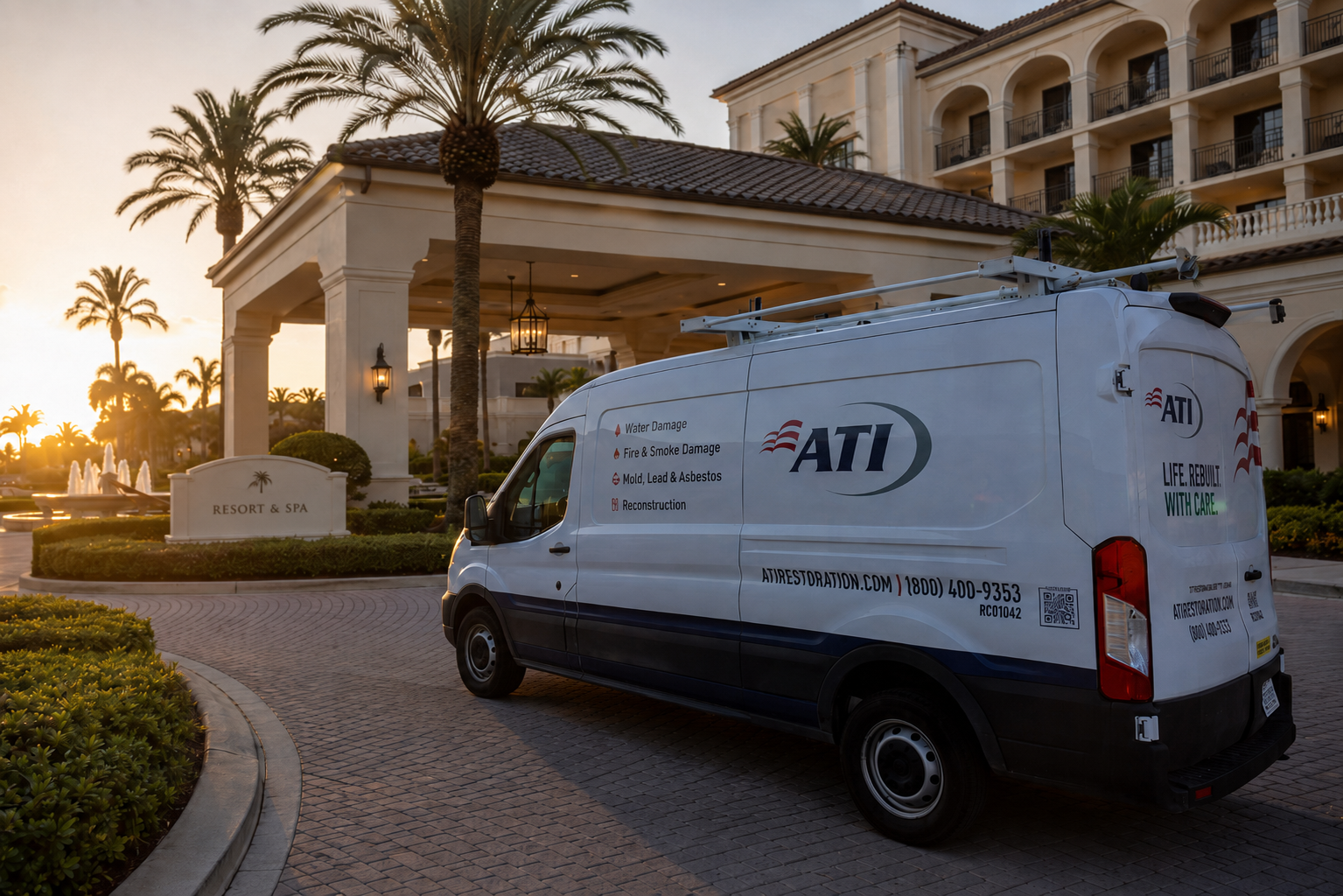
Hospitality properties carry a unique burden after a loss: restoring the building while protecting the experience guests paid for. One weekend of visible damage, noise, odors, and restricted access can undo years of good reviews. With that much at stake, what can the rest of us learn from the hospitality sector about how to minimize disruption?
We put together a guide on how to set up water damage response protocols and how to keep downtime and revenue loss to a minimum.
Three Trends Shaping Property Recovery

ATI President and Chief Acquisitions Officer Jeff Moore sat down recently with other restoration and claims leaders to discuss the current state and future of disaster recovery and claims management.
Three points stood out:
- AI is already reshaping this work, but the firms getting real value from it are the ones combining it with clean data and experienced people, not replacing one with the other.
- Documentation and communication of claims remain critical. Clearer records and faster updates separate smooth resolutions from drawn-out disputes.
- As claims get more complex, trust is the differentiating factor for recovery partners.
Technology helps, but relationships and transparency are still what gets claims resolved well.
Stop a Leak Before It Becomes a Reconstruction
Water doesn’t stay where it starts. A small leak moving through walls, flooring, and equipment can turn a contained problem into a multi-week one, especially if mitigation is delayed even by a day or two.
Be Prepared Before It Becomes More
 Our commercial water damage white paper walks through how to spot vulnerabilities early and what the first 24–48 hours of response should look like for quick recovery.
A Fresh Start for a San Diego Workplace
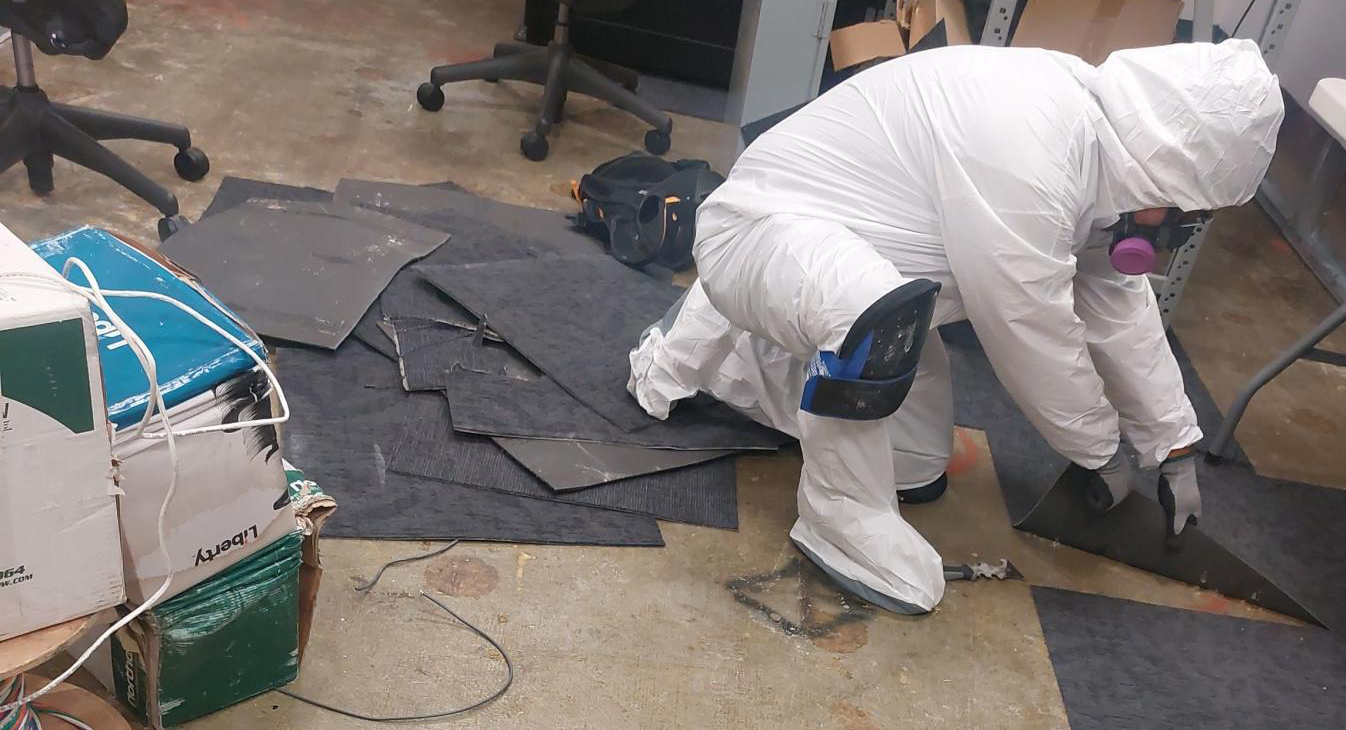
When heavy rainfall overwhelmed exterior drains at a 250,000-square-foot municipal transit facility in San Diego, floodwater made its way into roughly 3,000 square feet of office space. Our team moved fast, extracting water, mapping moisture, protecting sensitive documents, and starting structural drying before the damage could spread further.
See how we transformed this damaged space into a renewed workplace on schedule and on budget with zero safety incidents in our latest case study.
Supporting Children With Every Step

Team members from ATI’s Pittsburgh office joined the annual Walk for Children’s. The event raised more than $1.14 million to expand access to pediatric care and strengthen children’s health services at UPMC Children’s Hospital, part of our national charity of choice Children’s Miracle Network Hospitals.
As ATI Administrative Assistant Hannah Northey put it, “It was meaningful to participate because we’ve seen the behind-the-scenes work that goes into providing world-class care here in Pittsburgh. It was an honor to walk alongside those most closely affected by UPMC’s work.”
Be Ready Before the Unexpected
The properties that recover fastest are the ones with a plan in place before the damage, the disruption, and guest complaints. When did you last review your recovery plan? Contact us to learn how the right plan and partner can reduce disruption for your business.