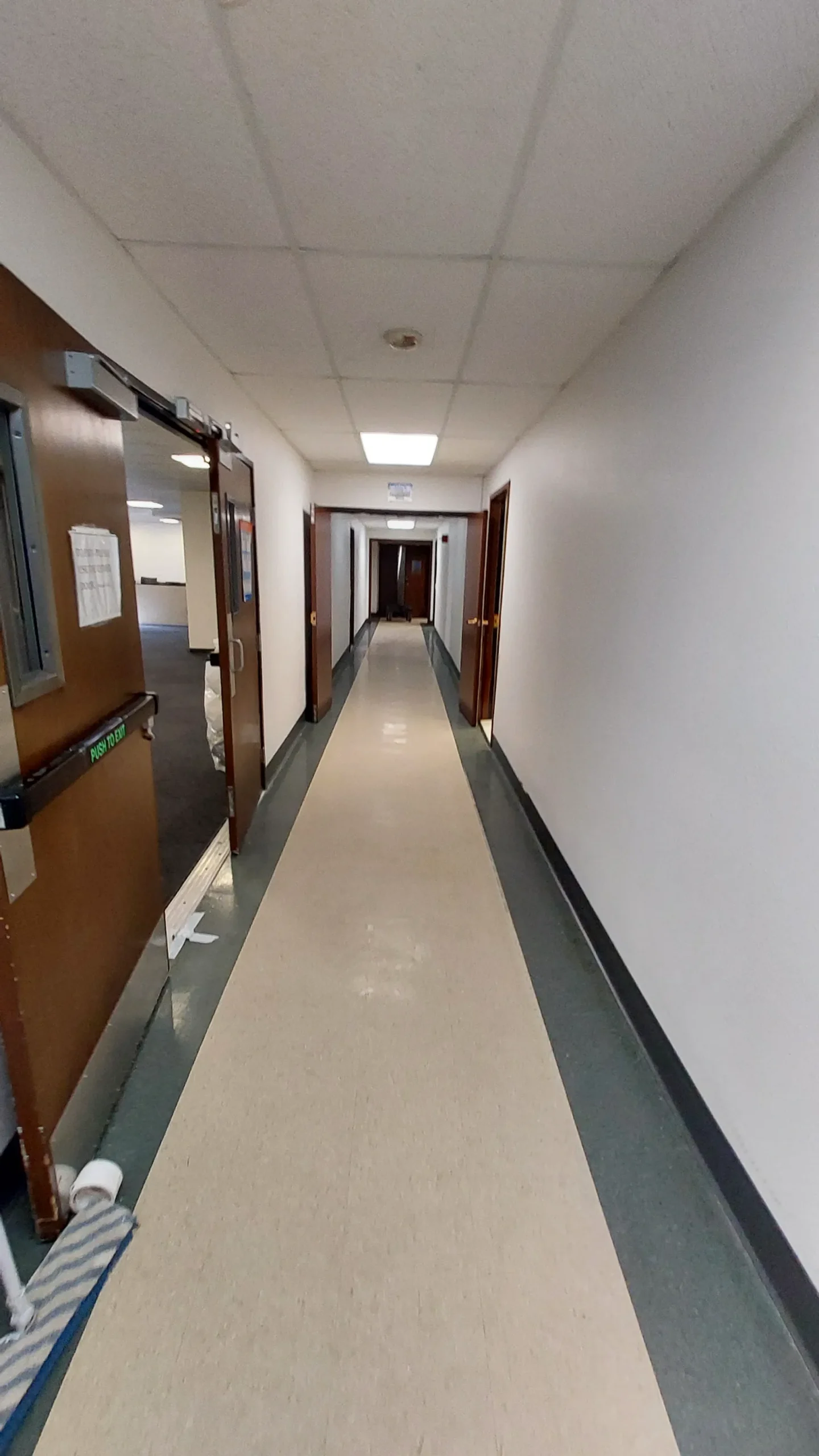
Upon arrival, the team encountered a highly-regulated municipal office environment that required strict adherence to government protocols. Numerous cubicles and boxed documents had to be carefully relocated within the space, as no contents were permitted to leave the building due to data security restrictions. The project operated under tight time constraints and the flooring selection had to meet county-specific standards. Material availability and approval timelines further complicated scheduling, requiring detailed planning and precise execution to protect sensitive materials, maintain operational requirements, and meet critical project deadlines.
The project was completed on budget and in full compliance with all regulatory and county-specific requirements. All inspections were passed, and strict safety protocols were followed, resulting in zero safety incidents. The team kept the government facility and insurance representatives informed throughout the process, demonstrating transparency through consistent project updates. The lower office level was fully restored, sensitive materials were safeguarded, and the space was returned to a safe, fully operational condition on schedule.
ATI Solutions
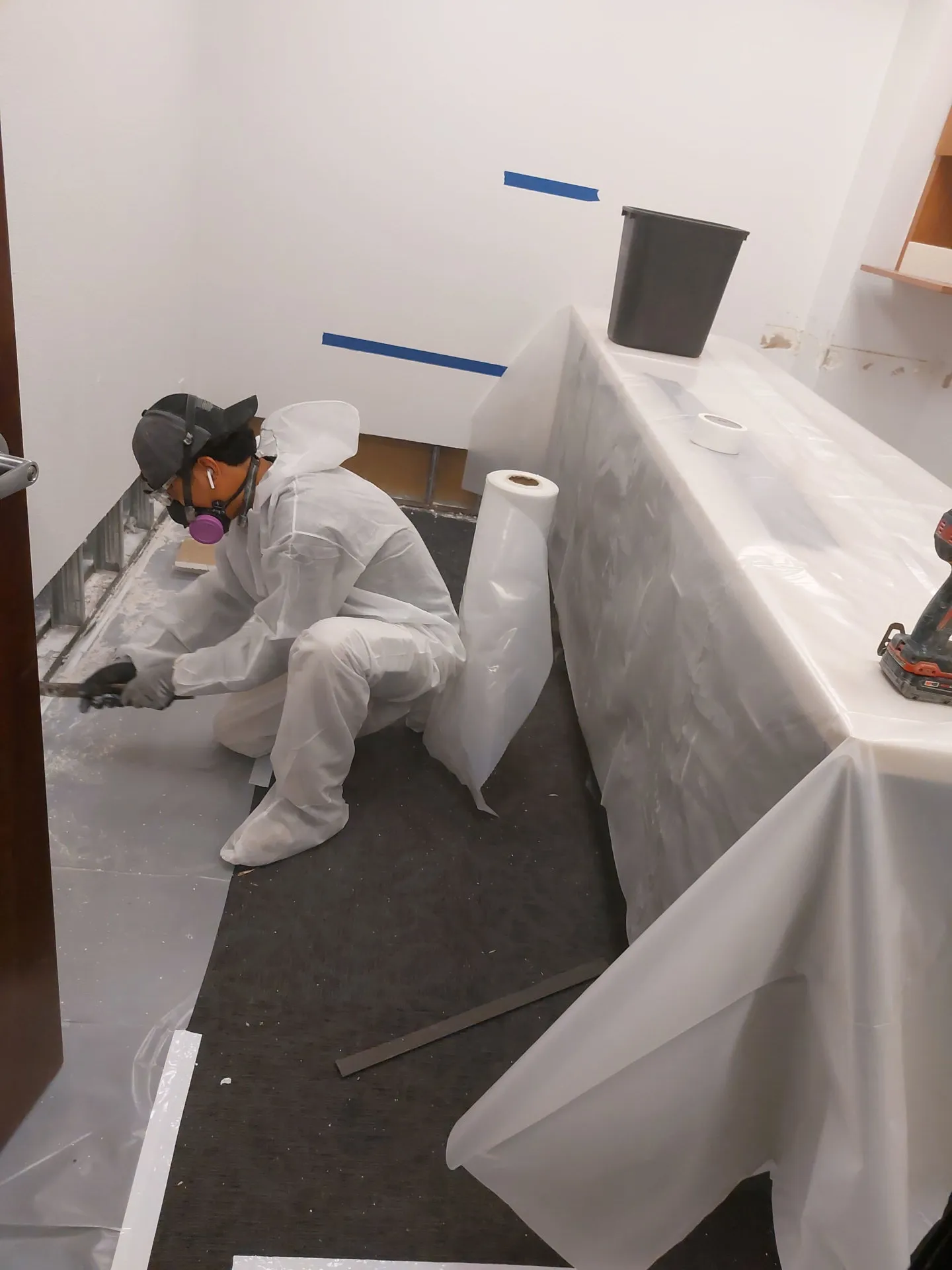
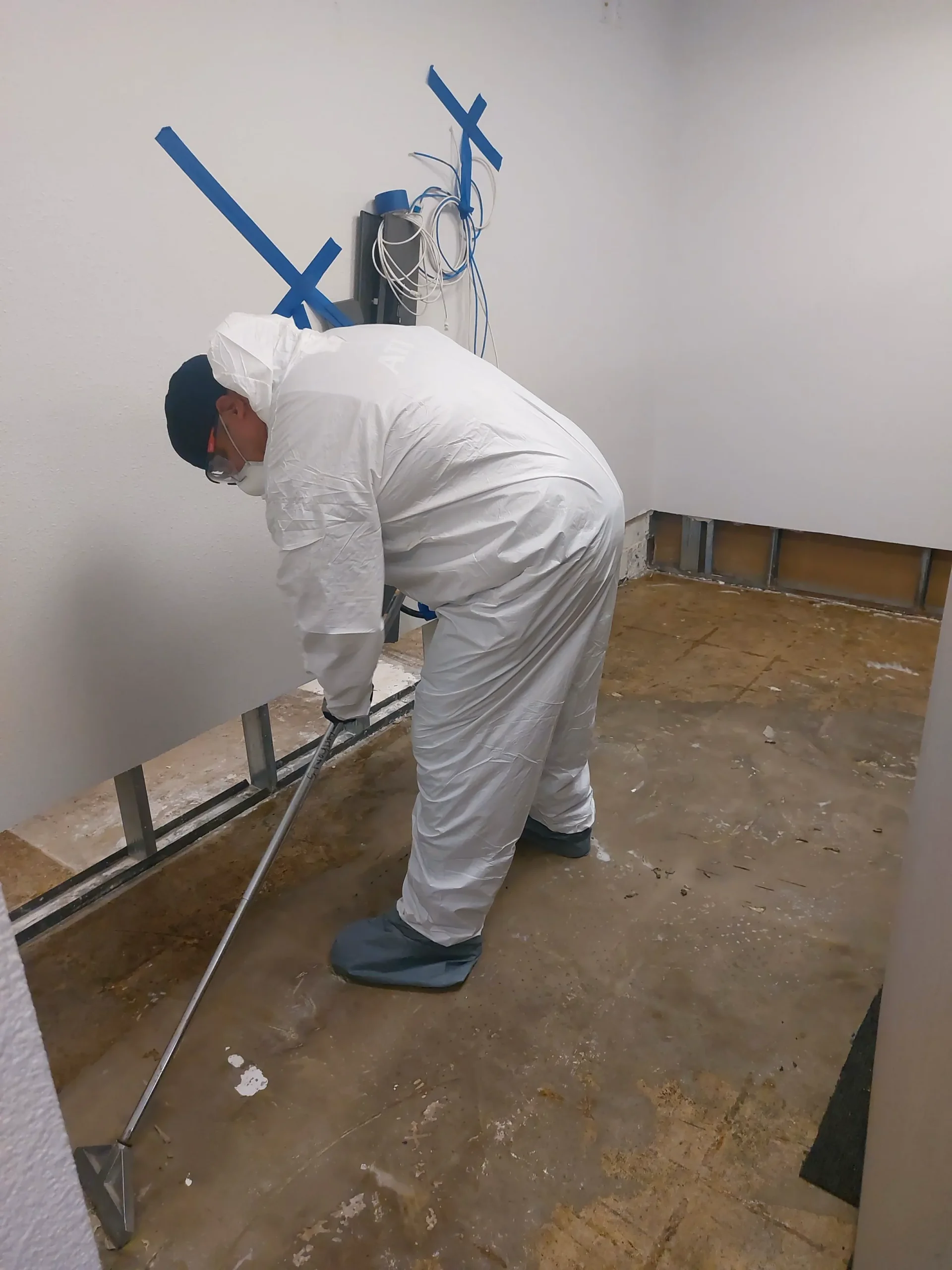
To maintain the project schedule, the team quickly mobilized to mitigate water damage and stabilize the affected areas. A dedicated crew of three to five technicians worked on site daily, including extended weekend hours to accommodate the building’s lease requirements and operational needs. The crew performed moisture mapping and water leak detection to identify all impacted materials. Then, the crew set up containment and executed a focused remediation plan that involved dehumidifiers, high-velocity air movers, HEPA filtration devices, and specialty extraction equipment to accelerate structural drying. Throughout the project, strict safety and quality control standards were upheld.
Photos